
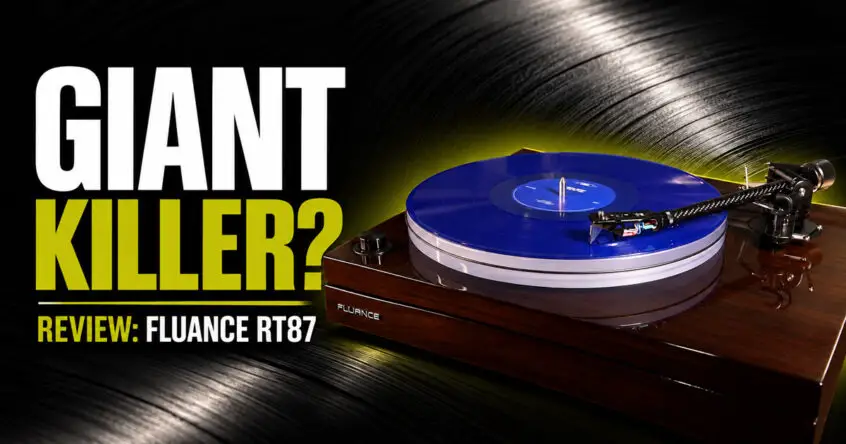
A while back, I reviewed the Fluance RT85, which, at the time, was the company’s flagship turntable.
And I really liked it. So much so, in fact, that it became my main living room turntable, where it has remained ever since.
But things have changed, and there’s a new kid in town.
Enter the RT87, a new flagship turntable from Fluance that takes the company’s familiar design philosophy and introduces some significant upgrades aimed at improving sound quality.
We’re talking about a suspended dual-plinth design, a carbon fibre tonearm with adjustable VTA, a considerably heavier acrylic platter and some welcome improvements to usability and flexibility.
All very promising on paper, but is the RT87 genuinely a step up from the excellent RT85? And more importantly, does it justify the extra money?
After spending some time listening to the RT87 in my own system, I think Fluance has made a particularly interesting move here.
Fluance RT87 Overview
The RT87 retains the classic Fluance appearance, with its substantial wooden plinth, minimalist controls and attractive finishes.
It’s available in natural walnut, piano black and piano white.
I’ve always felt that Fluance does a particularly good job of producing turntables that look and feel more expensive than their price tags might suggest.
That’s certainly true of the RT85, but the RT87 takes things further.
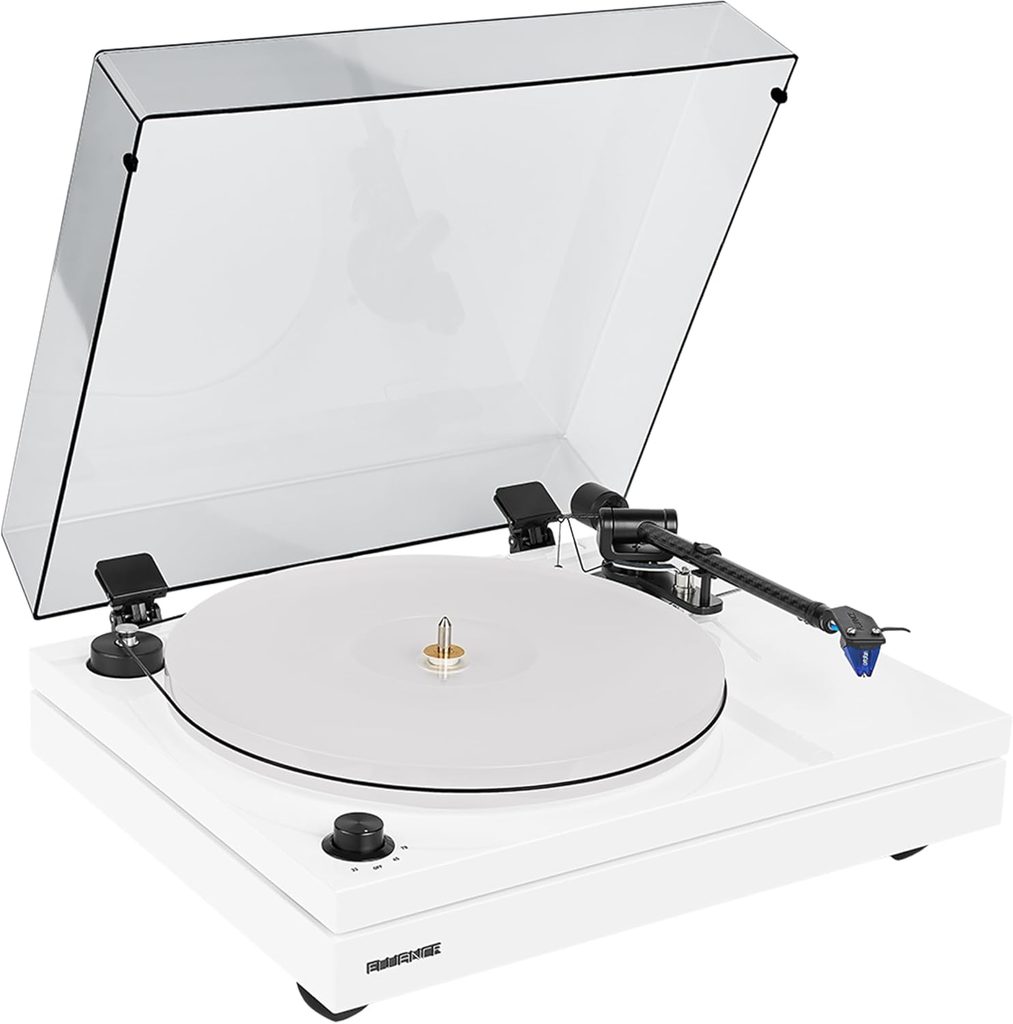
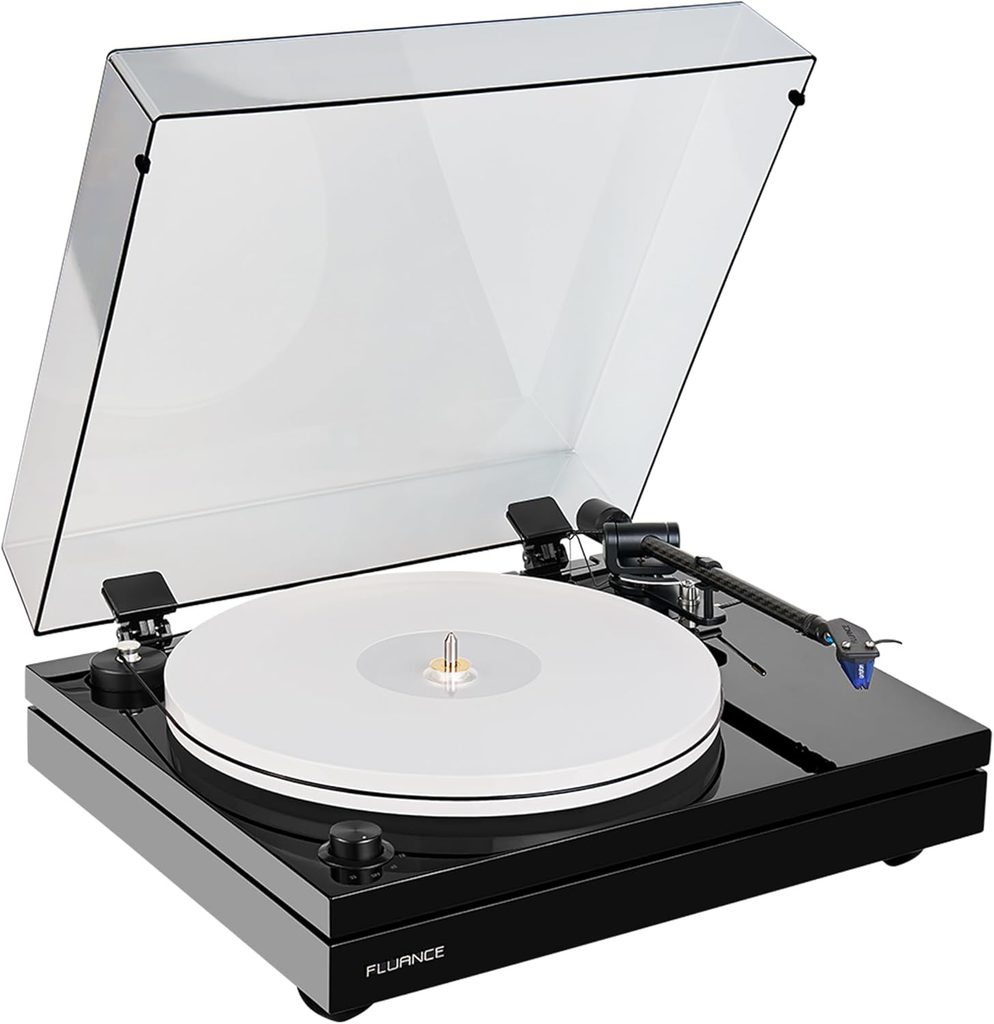
The most immediately noticeable difference is the dual-plinth construction, which gives the turntable a more substantial appearance.
There’s also a thicker acrylic platter and an entirely different tonearm arrangement.
My review model came fitted with the excellent Ortofon 2M Blue cartridge, although Fluance also offers the RT87 with an Audio-Technica AT-VM95ML cartridge.
Both versions currently carry a US list price of $799.99.
So what exactly are you getting for the additional investment?
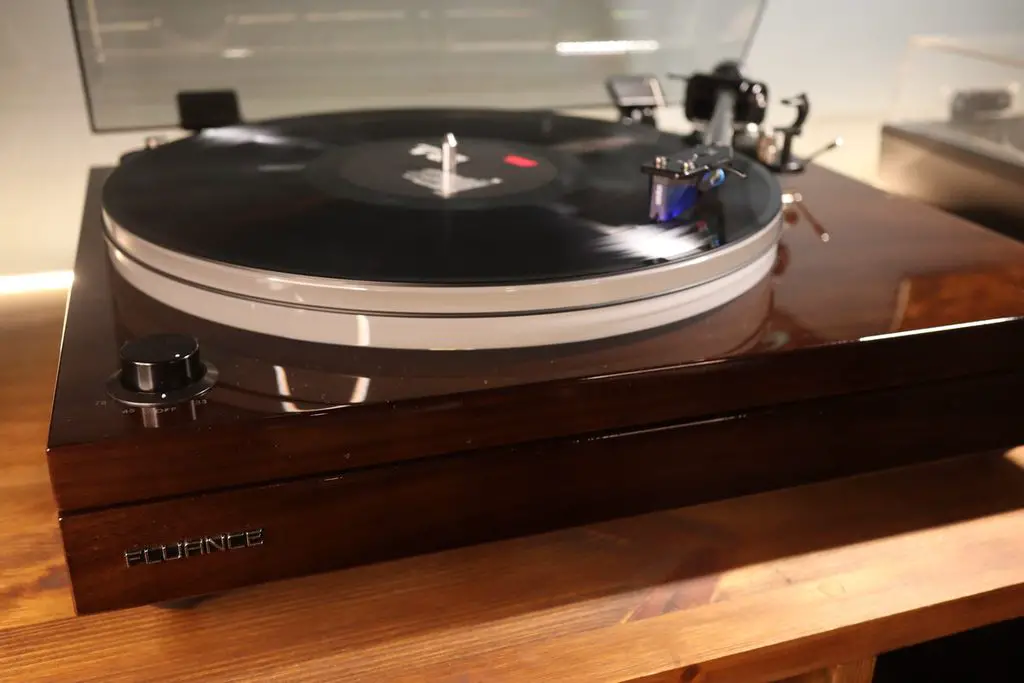
Dual-Plinth Design: Better Isolation, Better Sound?
Perhaps the most significant engineering change is the RT87’s dual-plinth design.
On the company’s earlier Reference Series models, such as the RT85, the motor, platter bearing and tonearm are mounted within the same main plinth structure.
The RT87 takes a different approach.
Here, the motor is mounted to the lower plinth, while the platter bearing and tonearm sit on a separate upper section.
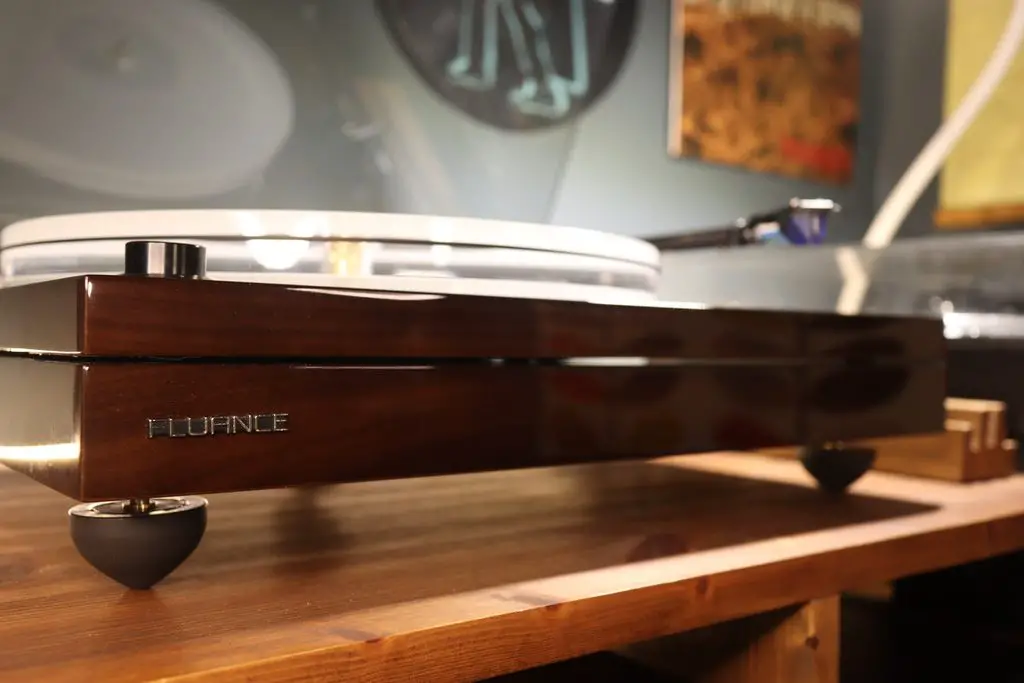
The two sections are mechanically decoupled using conical isolators, with the upper plinth effectively suspended above the lower one.
The idea is fairly straightforward.
When a cartridge reads the groove of a record, it’s responding to incredibly small mechanical movements. But, of course, we want those movements to originate from the groove itself, not unwanted vibrations travelling through the turntable.
By separating the motor from the tonearm and platter bearing, Fluance aims to reduce the transmission of vibration through the structure.
The suspended upper plinth should also help isolate the playback mechanism from some environmental vibrations.
It’s a concept you might associate with considerably more expensive hi-fi turntables, where mechanical isolation is often a major design priority.
The RT87 also retains Fluance’s height-adjustable, spike-style isolation feet, which help with both levelling and isolating the turntable.
Of course, the effectiveness of isolation depends on how the entire system behaves. Simply separating components doesn’t guarantee superior sound.
But there’s a clear engineering rationale behind the RT87’s design, and in this area, it already feels like we’re levelling up.
A New Carbon Fibre Tonearm
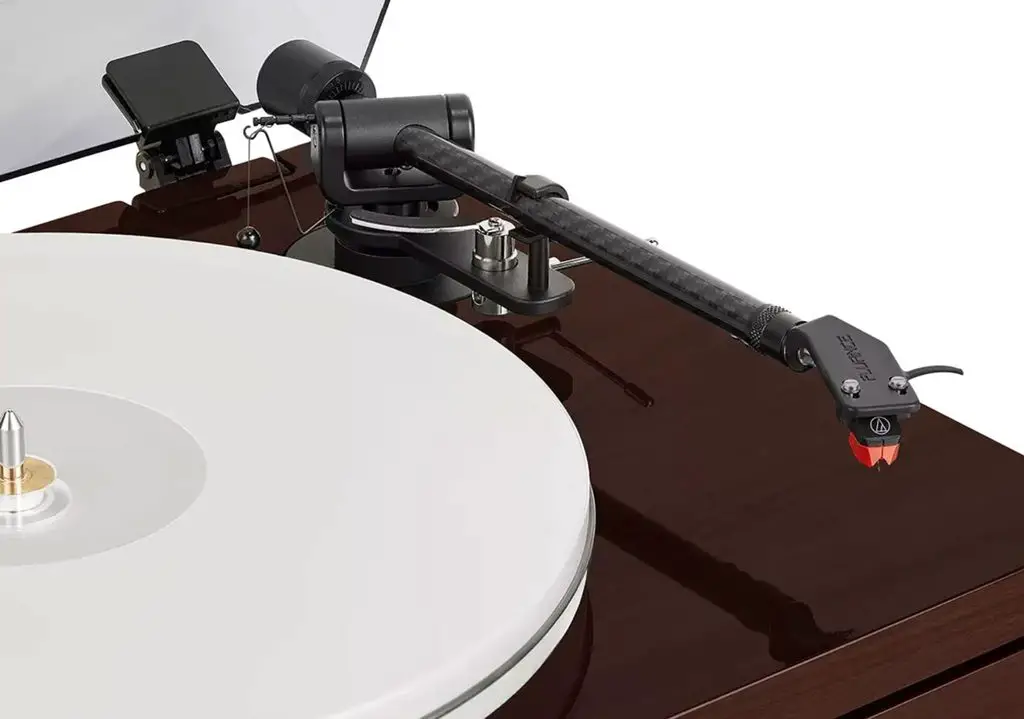
Another significant change is the tonearm.
The other models in Fluance’s Reference Series use traditional S-shaped aluminium tonearms.
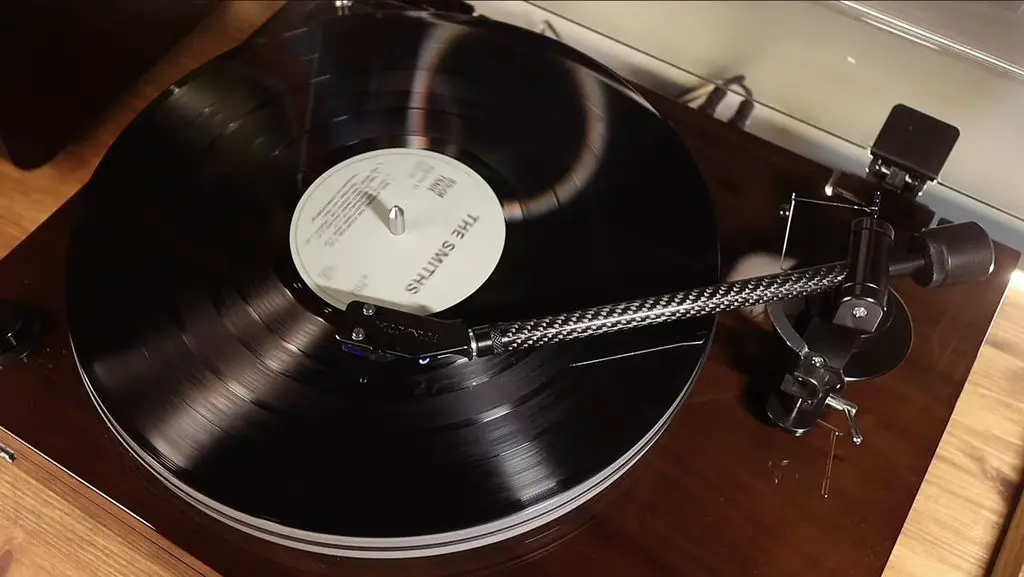
The RT87 introduces a straight, 9-inch carbon fibre design.
Carbon fibre is attractive as a tonearm material because it can offer a useful combination of rigidity and relatively low weight.

The aim is to provide a stable platform for the cartridge while helping to control unwanted resonance within the arm.
Now, there’s a lot of debate surrounding straight versus S-shaped tonearms, but I don’t think the shape alone tells us very much about the quality of a particular design.
Far more important are factors such as bearing precision, rigidity, effective mass and tonearm geometry.
One interesting difference is the RT87’s effective tonearm length.
At 230mm, it’s slightly longer than the 224mm effective length used on Fluance’s earlier Reference Series models.
In theory, a longer tonearm can help reduce tracking-angle error because the stylus follows a gentler arc across the record.
Of course, we’re talking about a fairly small difference here, and the geometry and alignment of the arm also matter.
Nevertheless, when combined with the carbon fibre construction and other improvements, the RT87 does feel like a more serious tonearm design.
VTA Adjustment: A Welcome Addition
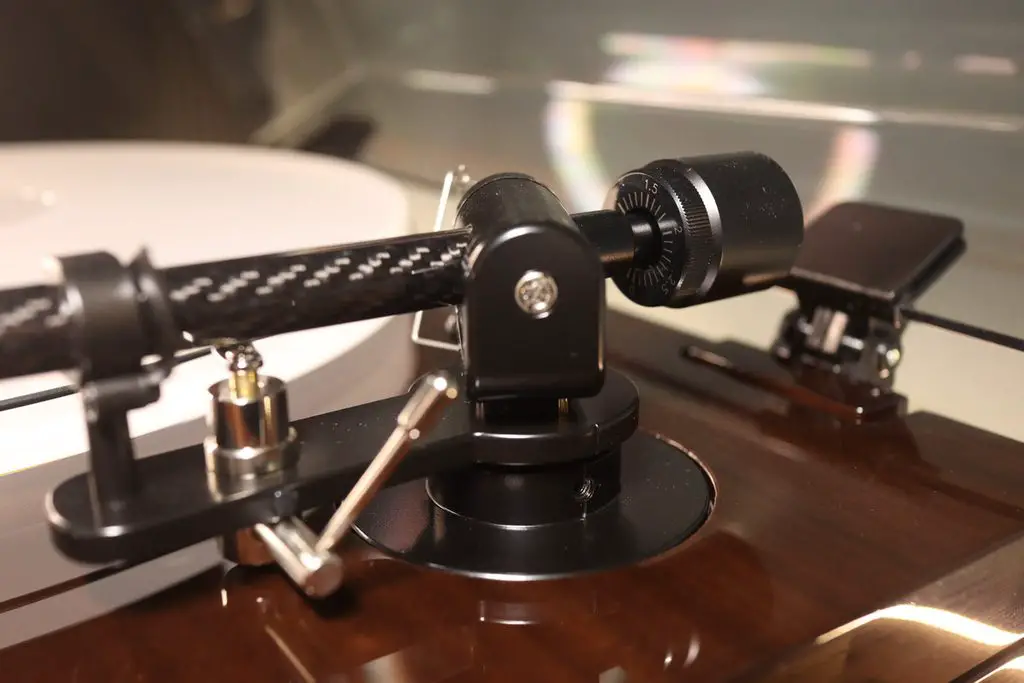
Perhaps even more interesting is the inclusion of adjustable vertical tracking angle, or VTA.
This is something Fluance owners have been asking for, and it’s a welcome addition to the company’s range.
VTA adjustment allows you to change the height of the tonearm relative to the record surface.
This can be useful when fitting cartridges of different heights or fine-tuning the angle at which the stylus tracks the record groove.
For somebody who enjoys experimenting with different cartridges, having this additional adjustment is a real advantage.
It makes the RT87 a more flexible platform for future upgrades.
A Weight-and-Thread Anti-Skate System
The RT87 also introduces a different anti-skate arrangement.

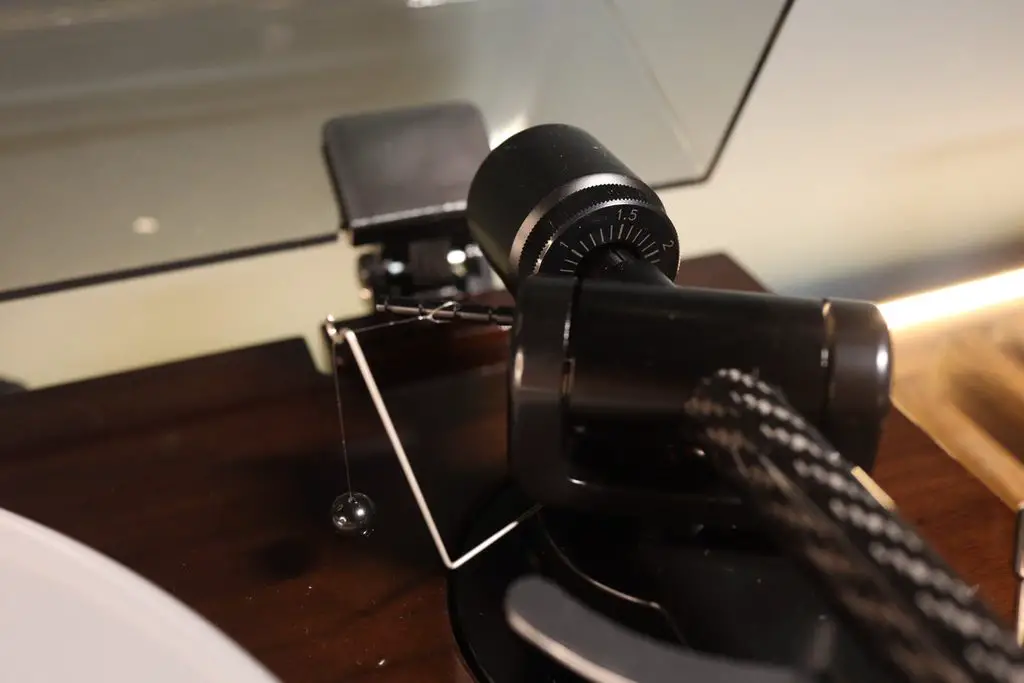
Rather than the conventional dial-controlled system used on Fluance’s earlier tonearms, the RT87 uses a hanging weight and thread.
It’s a traditional approach that you’ll also encounter on various other hi-fi turntables: my Pro-Ject X1, for example, works in exactly this way.
The weight applies an outward balancing force to counteract the inward skating force acting on the tonearm during playback.
There’s something appealing about the simplicity of this arrangement.
There’s no hidden spring mechanism responsible for applying the anti-skate force, and the way the system works is visible.
On the other hand, it’s a little more fiddly to set up than simply turning a dial.
And I wouldn’t suggest that a weight-and-thread system is automatically superior to a well-designed dial arrangement.
It’s simply a different approach, and one that fits the RT87’s more traditional, mechanically focused design philosophy.
Overall, I think the tonearm feels like a step forward compared with Fluance’s previous models.
Even the cueing mechanism feels more satisfying to use, with a smoother, more controlled lowering action.
It’s one of those small details that contributes to the RT87 feeling a little more luxurious in everyday use.
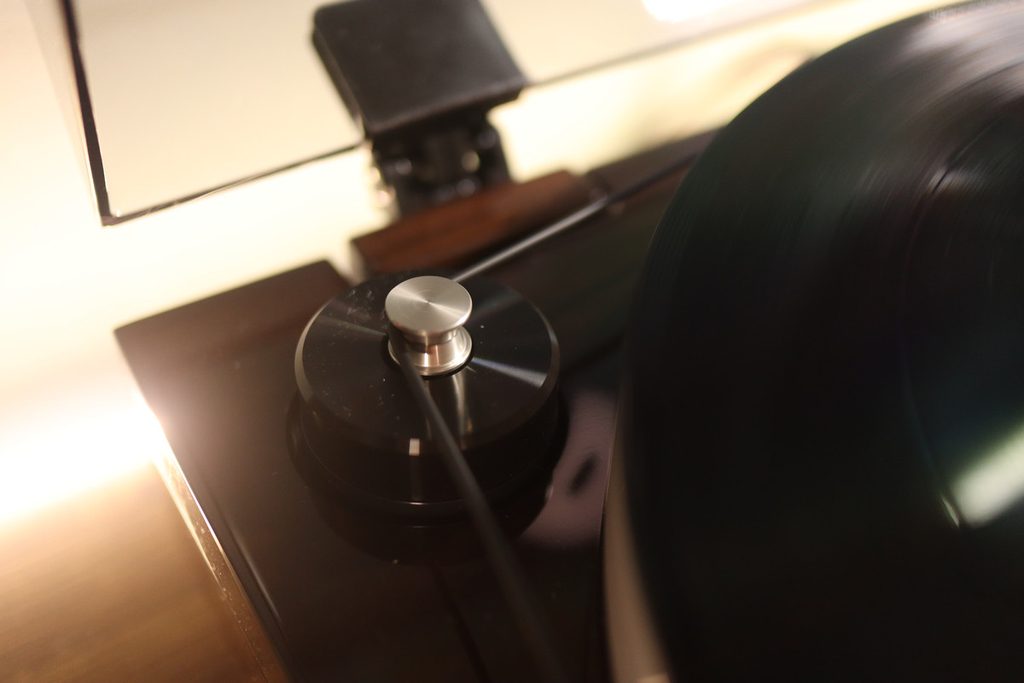
A Substantial Acrylic Platter
The other component that immediately caught my attention when unboxing the RT87 was the acrylic platter.
I’ve always been a fan of acrylic platters, particularly when they’re implemented well.
The RT85 already features a substantial acrylic platter weighing approximately 3lb.
But the RT87 takes things further with a much thicker 22mm platter weighing 4.1lb (1.85kg).
That’s a noticeable difference when handling the two.
There are a couple of potential benefits here.
Firstly, a heavier platter has greater rotational inertia, meaning it can help resist small variations in speed once it’s rotating.
Secondly, acrylic is a useful material for controlling unwanted resonance.
Unlike some metal platters, which can produce a pronounced ringing sound when tapped, acrylic tends to exhibit a more damped response.
There’s also an argument for placing a record directly onto an acrylic platter because the material has mechanical properties closer to the vinyl record itself than many metals. This creates a type of “coupling effect” that more easily allows unwanted vibrations to pass from the record to the platter and away from the cartridge where we don’t want them!
Motor, Speed Control and 78 RPM Playback
The RT87 uses a belt-drive system powered by an electronically controlled DC servo motor.
Like the RT82 through RT85 models, the system employs feedback to monitor and correct motor speed.
Fluance quotes a wow-and-flutter specification of 0.06%, which is slightly better than the 0.07% figure published for the RT85.
It’s worth remembering that these are manufacturer specifications rather than measurements I’ve independently verified, but they suggest a well-controlled drive system.
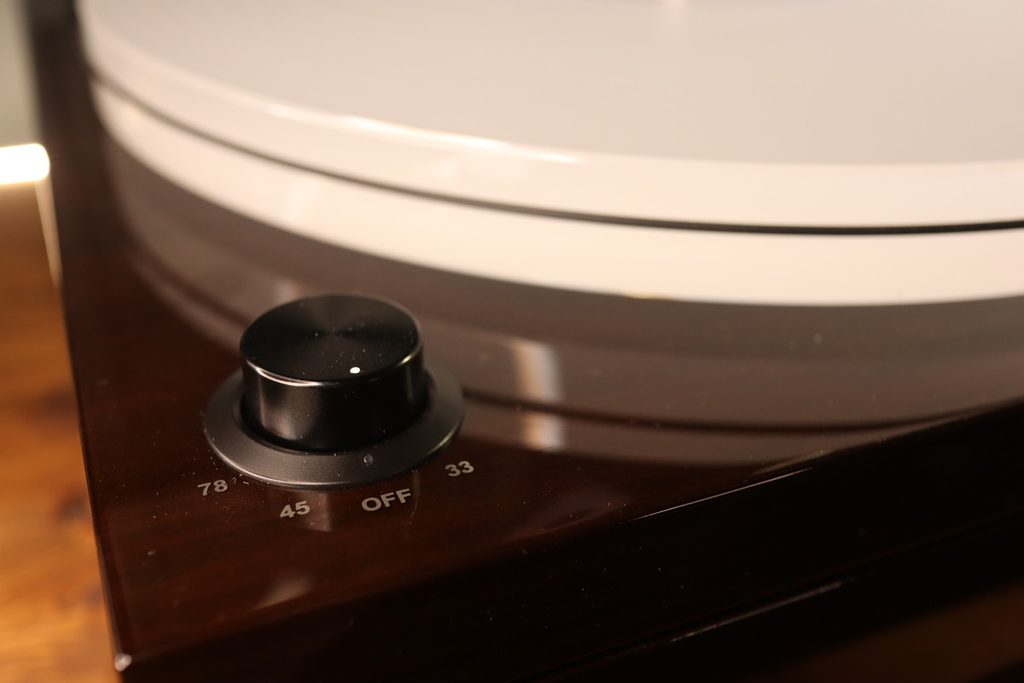
Another welcome feature is electronic switching between 33⅓, 45 and 78 RPM.
The inclusion of 78 RPM playback is especially interesting.
Not many turntables (especially at thuis price-point) offers this option, so for collectors interested in older shellac records, it adds some useful flexibility.
You’ll need a suitable 78 RPM cartridge or stylus, of course. Standard modern LP styli aren’t designed for the wider grooves typically found on shellac 78s.
But the removable headshell makes keeping a separate 78 RPM cartridge assembly a practical option. For example, I own an Ortofon 2M Mono cartridge, with both a microgroove and 78 stylus option, which is perfect for this application.
The RT87 also retains Fluance’s convenient auto-stop feature.
This stops the platter after the record has finished, although it doesn’t lift or return the tonearm.
For those who occasionally get distracted (or perhaps have a tendency to fall asleep of an evenings listening), this is certainly a welcome feature. That said, it can occasionally get in the way of things like locked grooves, for example, so it’s also nice to see that you can easily switch this function off if necessary or preferred.
One thing worth noting is that the RT87 has no built-in phono preamp.
You’ll need an external phono stage or an amplifier with a suitable phono input.
There’s no built-in Bluetooth or USB connectivity either.
Fluance has clearly prioritised the mechanical playback system rather than adding a long list of convenience features.
Cartridge Options: Ortofon 2M Blue or Audio-Technica VM95ML
The RT87 is available with two excellent cartridge options.
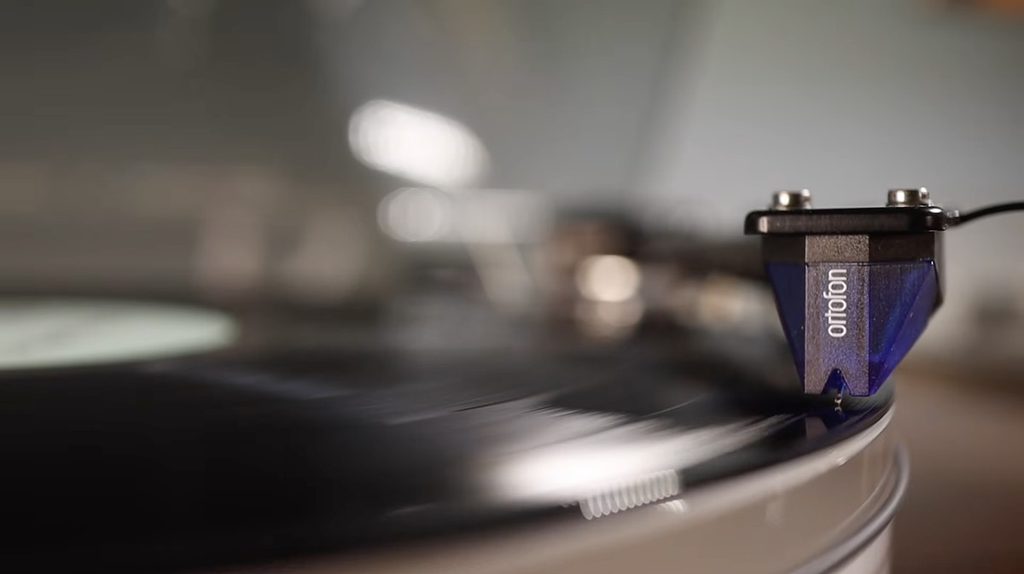
The first is the Ortofon 2M Blue, which is fitted to the model I reviewed.
I’ve used the 2M Blue extensively over the years, and it’s a cartridge I know well.
It features a nude elliptical diamond stylus and offers a detailed, lively presentation that I particularly enjoy.
The alternative is the Audio-Technica AT-VM95ML.
This uses a MicroLine stylus profile: a more advanced stylus shape designed to trace fine groove modulations more accurately and reduce distortion, particularly towards the inner grooves of a record.
Both are capable cartridges, and choosing between them will largely depend on your preferences.
Personally, I’ve always enjoyed the slightly brighter, more open character of the Ortofon 2M Blue.
That said, the VM95ML is a very appealing alternative, particularly if you value sophisticated stylus geometry and tracking performance. And because the RT87 has a detachable headshell, you can always easily experiment with different cartridges later down the line, so I wouldn’t get too hung up on which model to buy right at the start.
Sound Quality: How Does the Fluance RT87 Perform?
So, how does all this engineering translate into the listening experience?
To get a reasonable sense of what the RT87 could do, I played a mixture of records, including The Smiths by The Smiths, Kid A by Radiohead and Kind of Blue by Miles Davis.
These albums offer a useful mixture of guitar-driven music, electronic textures and more spacious acoustic recordings.
And my overall impression is that the RT87 sounds very good indeed.
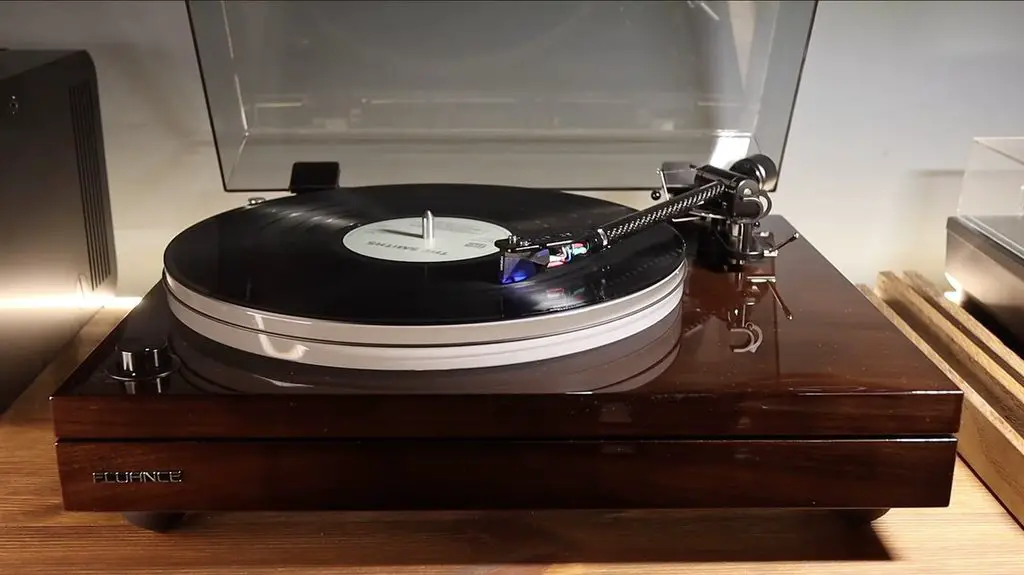
The Smiths – The Smiths
The Smiths’ debut album gave me a good opportunity to listen for guitar texture, vocal presence and instrument separation.
Johnny Marr’s guitar work has a distinctive character, with plenty of intricate picking and layered parts.
The RT87 did a good job of allowing those details to come through without the presentation becoming harsh or overly forward.
Morrissey’s vocals were clear and well positioned, while the overall sound retained the energy and character of the recording.
It’s the sort of performance that makes it easy to settle into an album and enjoy the music rather than analyse every little detail.
Radiohead – Kid A
Moving on to Radiohead’s Kid A, I was particularly interested in how the RT87 handled the album’s electronic textures, low-frequency content and sense of space.
This is a recording with plenty going on beneath the surface, and I felt the RT87 did a very good job of keeping the different elements distinct.
The soundstage had a pleasing sense of width and depth, without the music becoming overly dense or confused.
There was also a sense of control to the lower frequencies, which helped the electronic elements retain their definition.
Overall, the presentation felt immersive and well organised.
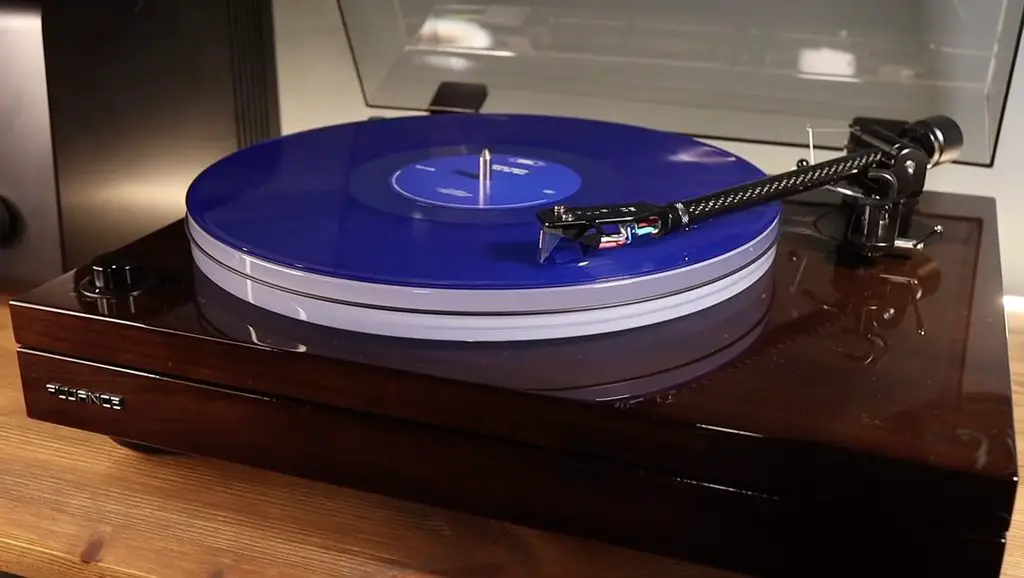
Miles Davis – Kind of Blue
With Miles Davis’ Kind of Blue, the focus shifted towards the natural space and atmosphere of an acoustic recording.
And this is where I particularly noticed something that stood out throughout my time with the RT87.
There’s a sense of calmness and composure to the sound that makes the music feel as though it’s emerging from a quieter background.
It’s what some audiophiles might describe as a blacker background.
I’m not suggesting that the RT87 suddenly transforms the recording or reveals instruments you’ve never heard before.
It’s a subtler quality than that.
The instruments feel nicely placed, with a convincing sense of space around them, and the overall presentation feels stable and controlled.
A More Refined Listening Experience
Across these records, I came away with the impression that the RT87 is a more refined performer than the RT85.
There’s a slightly quieter quality to the background, with an enjoyable sense of depth and separation. In general there is what you might call a “blacker background” and this is likely, in part, down to the the improved isolation and mechanical construction.
My RT85 currently has a Nagaoka MP-110 cartridge installed, while the RT87 came with the Ortofon 2M Blue.
Those cartridges have different sonic characteristics, and that inevitably influences the comparison.
The MP-110 has a warmer, fuller presentation that I still enjoy enormously.
But I’ve always been particularly fond of the 2M Blue, and I think its more open, detailed character suits the RT87 beautifully.
So, while I can’t attribute every audible difference to the new turntable design alone, the RT87 has certainly impressed me as a complete playback system.
Is the RT87 a Worthwhile Upgrade From the RT85?
This is probably the most important question for existing Fluance owners.
The RT85 has been one of my favourite affordable turntables for years.
It offers a substantial plinth, excellent speed stability, a heavy acrylic platter and a genuinely capable cartridge.
I’ve enjoyed mine enough that it’s remained in my living room system for a considerable time.
So, does the RT87 justify spending more?
I think it does — provided you’re looking for the particular improvements it offers.
The dual-plinth construction is a significant engineering change, rather than a cosmetic refresh.
The carbon fibre tonearm is another step forward in materials and design, and the inclusion of VTA adjustment offers considerably more flexibility for cartridge experimentation.
The heavier platter, improved isolation and more substantial overall construction also contribute to a turntable that feels noticeably more luxurious.
In fact, that sense of luxury is something I particularly appreciate.
The RT87 feels more like a serious audiophile turntable, but without becoming unnecessarily complicated or intimidating.
It’s still attractive enough to sit comfortably in a normal living room, which is something Fluance has always done well.
But I wouldn’t suggest that every RT85 owner needs to rush out and upgrade.
The RT85 remains an excellent turntable, and depending on your cartridge, phono stage and the rest of your system, you might achieve a worthwhile improvement by investing elsewhere.
If you’re buying a new turntable, however, and your budget can comfortably stretch to the RT87, I think the additional engineering makes a strong case for itself.
Anything I Would Change?
As much as I like the RT87, there are a few considerations worth mentioning.
Firstly, the weight-and-thread anti-skate system is less convenient than the familiar dial-controlled arrangements used on Fluance’s previous models.
It’s not particularly difficult once you understand how it works, but beginners may find it a little fiddly.
The turntable also requires more careful initial setup than a basic plug-and-play model.
You’ll need to install the platter and belt, balance the tonearm, set the tracking force and arrange the anti-skate weight correctly.
And while the lack of Bluetooth, USB and a built-in phono preamp won’t trouble most traditional hi-fi enthusiasts, they’re worth bearing in mind if you’re building your first system.
The Bottom Line: Should You Buy the Fluance RT87?
I think the RT87 represents a really interesting moment for Fluance.
The company has built a strong reputation for producing attractive, capable turntables that offer excellent value for money.
But with the RT87, it feels like Fluance is stretching beyond what people might traditionally expect from the brand.
The RT85 was already a fantastic turntable for the money.
The RT87 takes that formula and moves it further into serious hi-fi territory.
You still get the familiar Fluance strengths: attractive finishes, straightforward operation, convenient electronic speed switching, a very capable cartridge and a design that feels perfectly at home in a living room.
But on top of those familiar elements, there’s a something on top that just feels a little more grown up.
The dual-plinth construction, improved isolation, carbon fibre tonearm, VTA adjustment and heavier acrylic platter all point towards a turntable designed with greater emphasis on controlling unwanted vibration and extracting more performance from the record groove.
It also feels a little more luxurious to own and operate, and that’s something that shouldn’t be dismissed when considering a turntable purchase.
After all, part of the appeal of vinyl is the physical experience of playing records.
A well-designed turntable should be satisfying to interact with, not merely capable of delivering good measurements.
And that’s probably the RT87’s greatest strength: it manages to combine more serious audiophile engineering with the practicality, attractive design and relative affordability that have made Fluance so appealing in the first place.
For me, the RT87 strikes a really impressive balance. It feels like an audiophile turntable for mere mortals: serious enough to reward a better system, but flexible enough to grow with you.
And for that reason, I think this might be Fluance’s most compelling turntable yet.
VIEW PRODUCT
Have you tried the Fluance RT87, or are you considering upgrading from an RT85? I’d love to hear your thoughts in the comments below.
Related reading: Fluance RT85N Review – Reference Series Turntable with Nagaoka Cartridge
